Opening a new physical location or expanding your business footprint is one of the most exciting milestones a growing startup can achieve. It signifies momentum, market demand, and the shift from a theoretical business model to a tangible, operational reality. However, moving into a new building or setting up a secondary facility brings a wave of operational complexities that founders rarely anticipate. Beyond signing the lease and setting up primary workflows, you are suddenly tasked with transforming a blank structural shell into a safe, efficient, functional, and brand-aligned environment. Navigating this physical transition requires balancing immediate operational needs with long-term infrastructure. Every choice you make in equipping and securing your space directly impacts employee productivity, safety compliance, customer perception, and your bottom line. To help you navigate this expansion smoothly, this guide breaks down the essential systems, physical upgrades, and professional services required to turn any new building into a fully operational engine for growth.
Furthermore, managing this transition effectively demands a strategic mindset that treats facility setup as an extension of your company’s core business model. Many startups fall into the trap of prioritizing short-term cosmetic fixes while delaying critical structural and technical infrastructure. This reactive approach inevitably leads to unexpected downtime, compliance issues, and ballooning operational overhead as the business scales. By systematically addressing facility requirements before opening your doors, you establish a resilient foundation capable of supporting rapid scaling. Taking a holistic, step-by-step approach ensures that every dollar invested in your new space yields maximum return in efficiency, brand authority, and asset protection.
Securing the Building Envelope and Structural Integrity
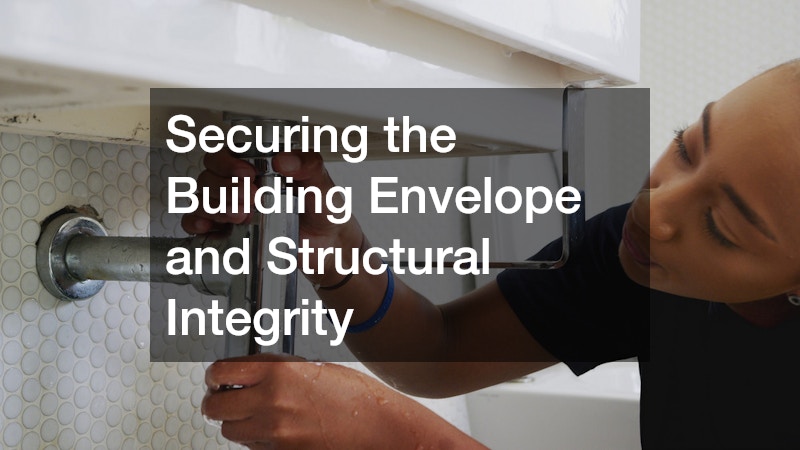
Preparing a new facility begins from the ground up, requiring careful attention to structural integrity and exterior site maintenance. Before opening your doors to staff or customers, you must ensure the facility is completely weather-tight, safe, and structurally sound. Water intrusion or unaddressed structural wear can quickly ruin interior equipment, disrupt daily operations, and result in costly emergency repairs that halt business momentum. Partnering early with qualified roofing companies ensures your facility is protected against environmental risks and local weather extremes, safeguarding your capital investments inside. Once the building envelope is secure, attention must turn to maintaining long-term structural reliability across all exterior surfaces.
Proactive site management also includes performing thorough, professional inspections of all structural components prior to signing leases or initiating internal buildouts. Identifying existing defects, thermal inefficiency, or drainage flaws allows management to negotiate repairs with landlords or budget appropriately for necessary remediation. When structural systems function flawlessly, business leaders can focus capital resources on revenue-generating assets rather than unexpected building maintenance. Building this structural resilience early on mitigates operational disruption, reduces insurance liabilities, and sets a high baseline for facility longevity.
Managing Exterior Access and Parking Navigation
The exterior of your facility serves as the initial touchpoint for employees, delivery drivers, and visiting clients. Clear spatial organization outside the building is crucial for maintaining safety and operational flow, especially during peak business hours. Clearly marked transit lanes, accessible parking zones, and designated delivery bays reduce congestion and keep operations moving seamlessly. Applying fresh parking lot line stripes helps establish clear traffic patterns, maximizes available parking capacity, and ensures full compliance with local accessibility regulations. When vehicles can navigate your property effortlessly and safely, it sets a professional tone before anyone even steps inside. By resolving external traffic and access logistics early on, you prevent bottlenecking at your loading docks and entranceways.
Beyond basic traffic organization, well-maintained exterior areas directly impact your brand’s public reputation and overall customer experience. A clean, clearly designated parking area eliminates confusion for first-time visitors, helping build immediate confidence in your brand’s professionalism and attention to detail. Additionally, clear site marking reduces the likelihood of vehicular accidents and property damage, protecting your business from costly insurance claims. Maintaining high standards for exterior navigation ensures that daily logistics, freight handling, and customer arrival run with maximum efficiency.
Designing High-Impact Outdoor and Indoor Graphics
Establishing a new physical space requires making a strong visual impact that resonates with customers and instills confidence in your workforce. A cohesive visual identity builds trust and establishes your brand presence within the local community right from the start. Working with a professional sign shop allows you to create high-impact exterior building signs, directional interior signage, and branded lobby displays that clearly communicate your company’s presence. Clear signage helps visitors navigate your location while reinforcing your corporate identity at every turn. Furthermore, extending this visual cohesion throughout your interior design creates a professional environment that leaves a lasting positive impression on visiting partners.
Consistency across all physical brand touchpoints creates a powerful psychological imprint on both external clients and internal team members. When exterior signage and interior graphics work together, they communicate strength, stability, and organizational pride. This visual unity helps establish instant market credibility in a new region, making your startup look established and reliable from day one. Investing in durable, high-quality branding assets prevents premature wear and ensures your public image remains sharp as your operations scale.
Outfitting Staff with Professional Gear
Extending visual cohesion to your staff helps build a unified team culture during times of rapid growth. Outfitting team members in high-quality custom apparel creates a polished, recognizable look that projects professionalism whether employees are interacting with clients or working behind the scenes. Branded attire reinforces corporate identity while fostering a sense of belonging and teamwork among newly onboarded personnel. Furthermore, standardized workwear guarantees that safety protocols and professional appearance standards are maintained across every department.
Providing consistent staff wear also simplifies daily logistics for employees, removing guesswork around workplace attire expectations. High-quality materials ensure durability in active commercial or warehouse environments, making the apparel a practical investment for operational efficiency. When staff look cohesive and professional, clients feel greater confidence in your company’s operational capability.
Upgrading Electrical Infrastructure and Power Capacity
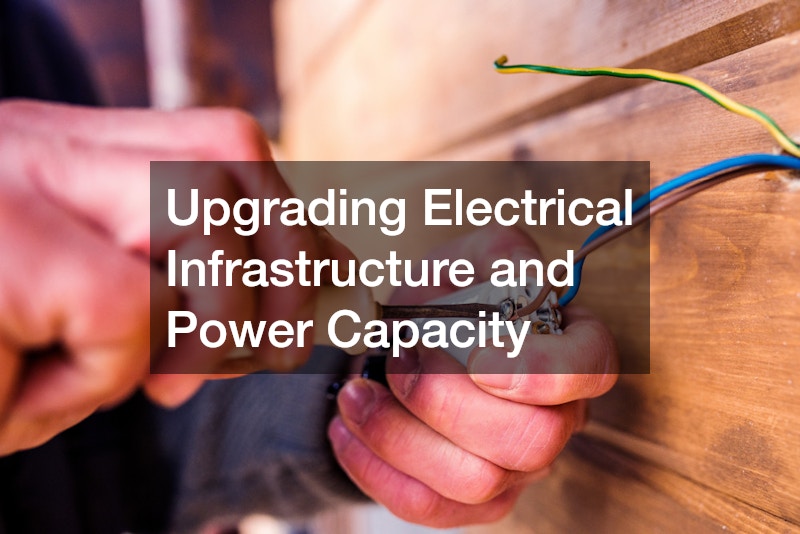
Modern business operations rely entirely on stable, uninterrupted power to drive machinery, office equipment, servers, and climate control systems. When moving into a new space, existing electrical configurations rarely match the specific layout or power draw of a growing company’s specialized machinery or IT hardware. Engaging licensed professionals to inspect, upgrade, and configure your electrical services guarantees that your facility can handle your current operational load while leaving capacity for future machinery additions. Proper wiring, dedicated circuits, and strategic outlet placement prevent dangerous overloads and protect sensitive equipment from power surges.
Upgrading power infrastructure is also a critical step in future-proofing your business against technological changes and expanding operational demands. As startups introduce advanced hardware, automated machinery, or specialized technical gear, electrical infrastructure must dynamically accommodate increased energy consumption without compromising system stability. Incorporating backup energy generators and surge protection networks safeguards your business from unexpected utility outages and data corruption. Prioritizing electrical reliability protects high-value assets, ensures regulatory compliance, and maintains continuous business operations.
Deploying Facility Monitoring and Access Controls
Protecting your physical inventory, assets, and proprietary information is a primary operational requirement when establishing a new footprint. Physical security breaches or unauthorized access can lead to devastating financial losses and severe operational setbacks. Implementing comprehensive security services—including monitored access control systems, high-definition surveillance cameras, and perimeter alarms—ensures that your facility remains safe around the clock. Restricting entry to sensitive areas protects valuable inventory, equipment, and confidential employee files.
Integrating physical monitoring tools creates an overlapping defense model that safeguards your company’s core value. Modern access systems can log user activity, control door security remotely, and integrate with digital compliance protocols to prevent internal and external security risks. Maintaining a secure physical environment builds stakeholder trust, satisfies insurance requirements, and insulates your business against operational threats.
Establishing Robust Digital Infrastructure
Modern facilities rely heavily on networked digital infrastructure to maintain seamless daily operations across departments. Partnering with specialized computer IT services allows you to deploy secure local networks, establish automated data backups, configure firewalls, and maintain stable cloud connections, creating a resilient digital environment. Having expert technology management ensures that communication channels remain online and protected from external cyber threats.
Robust network safeguards prevent unauthorized cyber intrusions that could compromise sensitive client data or disrupt automated workflows. Modern IT planning also ensures your network architecture can support higher bandwidth needs as additional devices and employees are added to the facility. Establishing strong digital infrastructure from day one prevents costly system downtime and keeps remote and on-site teams fully connected.
Equipping Technical Teams with Maintenance Hardware
Once your physical facility is secure, wired, and branded, focus must shift toward outfitting your workforce with the essential assets needed for daily productivity. Providing your team with high-quality, durable tools empowers them to execute tasks efficiently, maintain physical facilities, and handle routine assembly or maintenance without delay. Having the right hardware readily available minimizes downtime and prevents frustration among employees who need to perform manual or technical tasks.
Equipping employees goes beyond providing basic hardware; it involves creating an environment where staff feel capable of executing their responsibilities efficiently. Providing specialized equipment tailored to specific job functions reduces workplace injury, improves ergonomic comfort, and speeds up task execution. Supporting your workforce with high-quality gear creates an agile operational team capable of managing expansion demands.

Fostering Team Culture with Custom Recognition
Beyond primary operational gear, expanding companies often establish formal recognition programs to boost morale and retain top talent during demanding growth phases. Integrating customized awards and engraving into your company culture allows you to celebrate employee milestones, acknowledge top performers, and reward outstanding team achievements, fostering a supportive environment that drives long-term dedication.
Establishing clear recognition frameworks reinforces positive performance, boosts employee retention, and aligns individual accomplishments with corporate goals. Commemorating shared achievements builds a positive workplace atmosphere in a new facility, helping retain top talent through intense scaling periods. A culture that recognizes excellence encourages sustained employee engagement and loyalty.
Implementing On-Site Waste Management Systems
As business volume increases across new sites, managing waste streams, byproduct materials, and operational scrap becomes a critical logistics challenge. Unmanaged waste clutters floor space, creates safety hazards, and increases disposal costs significantly over time. Investing in commercial recycling equipment enables your organization to process scrap paper, cardboard packaging, metals, or plastics directly on-site, reducing overall waste volume and lowering municipal hauling fees.
Streamlining material processing keeps working areas organized and promotes a safer environment for staff operating heavy machinery or navigating storage areas. On-site compaction and sorting streamline loading dock logistics, freeing up floor space for inventory storage and operational workflows. Implementing clear recycling protocols also prepares growing companies to meet local environmental mandates and industry compliance goals.
Optimizing Workplace Ergonomics and Layouts
A successful business expansion relies on a facility layout designed for both immediate functionality and future adaptability. As teams grow and production demands shift, fixed interior layouts can quickly become operational bottlenecks that hinder collaboration and slow output. Designing flexible workspaces, modular assembly lines, and adaptable storage configurations allows your business to scale seamlessly without requiring frequent, disruptive renovations. Strategic layout planning ensures that materials, personnel, and information move through the building with minimal friction.
Designing for spatial adaptability helps businesses quickly integrate new technologies and accommodate expanding team sizes. Utilizing modular office furniture, mobile storage systems, and flexible utility drops allows floor plans to be reconfigured easily as operational needs evolve. This spatial agility prevents the need for costly lease expansions or premature facility moves, maximizing your capital investment over time.
Establishing Preventive Maintenance Schedules
Sustaining smooth facility operations requires establishing routine preventative maintenance programs across all physical and mechanical assets. Regular inspections of heating systems, air filtration, plumbing lines, and structural fixtures keep your facility operating at peak efficiency. Proactively servicing facility components prevents minor wear from turning into major operational failures that disrupt business continuity.
Documenting facility maintenance protocols creates operational accountability and extends the lifespan of expensive building systems. Scheduled upkeep reduces utility costs by ensuring machinery runs efficiently and prevents emergency repair premiums. A well-maintained facility provides a safe, comfortable working environment for your workforce while protecting your long-term capital investments.
Transitioning into a new business facility or scaling up across multiple locations is a complex undertaking, but systematically addressing each phase of physical and operational setup transforms a daunting task into a structured pathway to success. By prioritizing structural integrity, clear site navigation, strong brand visibility, robust power infrastructure, total facility security, proper workforce equipment, and sustainable material management, you establish a firm foundation for scalable growth. Each operational component works in tandem with the others, creating a safe, professional, and efficient environment where your team can thrive. Taking the time to build this physical infrastructure thoughtfully today will protect your capital investments, streamline daily workflows, and empower your business to meet future market demands with complete confidence.
Ultimately, physical expansion should be viewed not merely as a real estate transaction but as a strategic investment in your startup’s operational capacity and market presence. When facility planning is executed with precision, your new location becomes a powerful catalyst for team productivity, brand authority, and revenue growth. By systematically evaluating your physical requirements and establishing strong vendor partnerships early, you insulate your company against expansion risks. Equipping your space thoughtfully today lays the operational groundwork for sustained success, positioning your business to lead its industry for years to come.