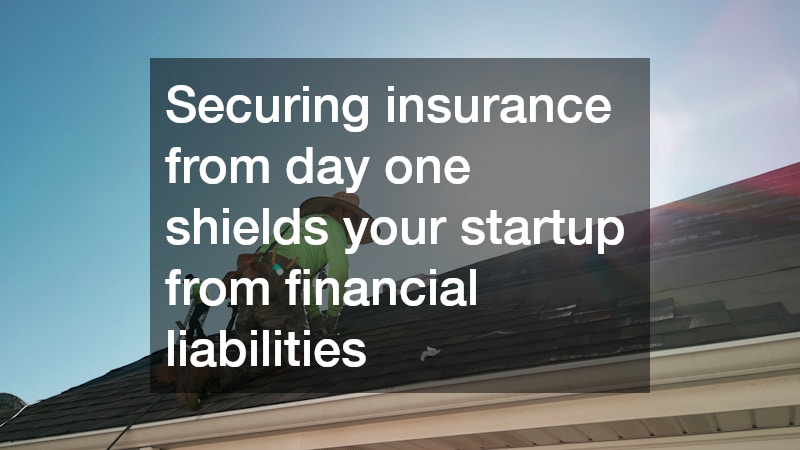
Launching a new roofing business is an exciting venture filled with opportunities. From mastering precision craftsmanship to building a solid local reputation, entrepreneurs in this trade have a lot on their plates. However, roofing is inherently one of the most high-risk industries in construction. Working at significant heights, handling heavy materials, and navigating unpredictable weather mean that safety hazards are a daily reality.
For a startup, a single accident, property damage claim, or employee injury can cause devastating financial strain before the business even gets off the ground. That is why establishing a robust insurance portfolio is not just a legal formality but a foundational business strategy.
Whether you are operating as independent local builders or looking to compete with established roofing contractors in Coon Rapids, MN, having the right coverage protects your investments, your crew, and your clients.
Understanding General Liability Coverage
This is the bedrock of your business protection. General liability insurance covers third-party bodily injury and property damage. For example, if a stray shingle falls and damages a client’s vehicle, or if a homeowner trips over your equipment on-site, this policy covers the medical expenses or repair costs, as well as legal fees if you face a lawsuit.
Protecting Your Crew with Workers’ Compensation
Roofing is physically demanding and dangerous. If a crew member slips from a ladder or suffers an injury on the job, workers’ compensation is vital. It covers medical treatments, rehabilitation costs, and a portion of lost wages for the injured employee. In almost every state, carrying this insurance is a strict legal requirement if you hire employees.
Insuring Your Commercial Vehicles
Your work trucks and vans are the lifeblood of your operations, transporting teams, ladders, and materials to various job sites. Personal auto policies typically exclude business use, meaning an accident while driving a company vehicle won’t be covered. Commercial auto insurance protects your vehicles, covers liability for damages to others, and handles medical costs resulting from an accident.
Safeguarding Tools with Inland Marine Insurance
While the name sounds nautical, Inland Marine insurance actually protects your tools, specialized gear, and materials while they are in transit or stored at a temporary job site. If your expensive nail guns, generators, or ladders are stolen from a truck overnight, this policy helps cover the replacement costs so your timeline isn’t derailed.
Using Insurance as a Powerful Sales Tool
Many startup owners view insurance purely as an expense, but smart entrepreneurs leverage it as a marketing asset. Today’s property owners are highly cautious. Before hiring a professional, savvy homeowners and commercial property managers will demand proof of insurance.
Being fully insured builds instant trust and credibility. It signals to your community that you operate a legitimate, professional entity that respects safety protocols and values client peace of mind. When competing for competitive residential or commercial bids against other local teams, providing a current Certificate of Insurance right alongside your project estimate can easily be the deciding factor that wins you the contract.
Smart Strategies to Manage Premium Costs
As a startup, managing cash flow is critical. While insurance is non-negotiable, you can take proactive steps to keep your premiums manageable. By carefully assessing your specific coverage needs, you can avoid paying for unnecessary policy add-ons that do not fit your immediate business model. Furthermore, demonstrating a proactive commitment to risk management can encourage insurers to offer more favorable rates right from the start.
Implementing strict safety protocols is one of the most effective methods because insurance companies look favorably on businesses that actively mitigate risk. You can provide regular safety training, enforce the use of fall-protection harnesses, and maintain clean job sites to keep your claims history clean. Additionally, investing in quality training ensures your crew is fully certified and experienced, which naturally leads to fewer costly errors. Finally, instead of buying the first policy you find, you should partner with an independent commercial broker who specializes in construction and trade insurance. They can shop around to find competitive rates tailored specifically to your business size and geographic risk factors.
Building a successful roofing company requires more than just excellent technical skills; it demands smart risk management. By securing comprehensive insurance from day one, you shield your startup from catastrophic financial liabilities and establish your brand as a trustworthy, dependable choice for local property owners. Operating as fully protected roofing contractors ensures that you can focus on delivering high-quality craftsmanship without the constant fear of unexpected legal or financial setbacks.