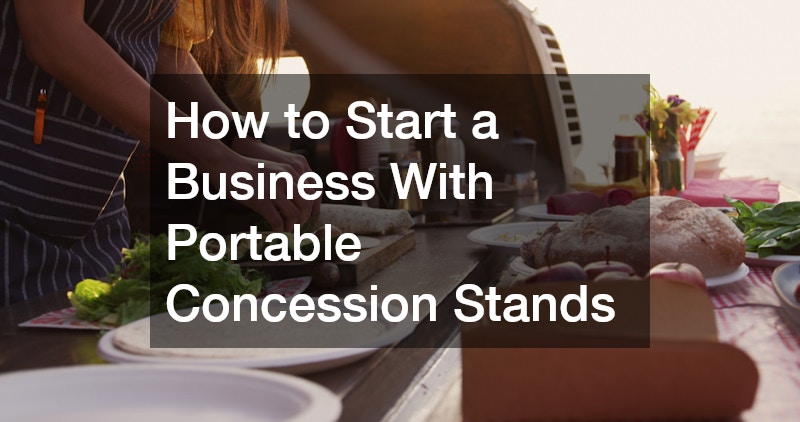
Starting a business with portable concession stands can be an exciting venture. This guide will provide you with the essential knowledge and steps to embark on this entrepreneurial journey. Armed with the right information, you can transform your enthusiasm into a thriving business. This venture offers flexibility, innovation, and the possibility of tapping into diverse markets.
Read on to discover how to make your dream of owning a mobile concession stand a reality.
1. What are Portable Concession Stands and Why Choose Them?
1.1 Definition and Overview
Portable concession stands are mobile units used to sell food or merchandise at various locations and events. Typically, they are designed to be easy to transport and set up, providing convenience and accessibility to business owners. These stands make use of trailers, carts, or even small trucks to facilitate a mobile business model. The portability allows vendors to attend multiple events and switch locations based on demand. As an innovative solution in the food and retail sectors, they are increasingly popular among entrepreneurs.
1.2 Advantages Over Traditional Brick-and-Mortar
Mobile businesses like concession stands offer significant advantages over traditional storefronts. Firstly, they require lesser financial investment, making them a more accessible option for new business owners. The flexibility to move and operate in various locations allows vendors to adjust to trends and customer preferences quickly. Operating costs are generally lower as expenses such as rent and utilities are reduced. This mobility also helps in testing different market conditions and audiences with minimal risk.
1.3 Popular Types and Configurations
Portable concession stands come in various types and configurations tailored to different business needs. Popular options include towable trailers, which are spacious and ideal for festivals and large events. Push carts and kiosks serve well in urban settings, providing the advantage of maneuverability. Food trucks offer a complete kitchen setup for gourmet cooking on the go. By choosing the right configuration, business owners can meet specific operational requirements and target audience demands effectively.
1.4 Target Market and Demand Analysis
Understanding your target market is crucial in the concession business. Demographics such as location, age, and income can influence product offerings. For instance, urban areas may have a high demand for quick and trendy food items. In contrast, family-centric events may prefer traditional snacks and beverages. Conducting a demand analysis can help identify promising markets and tailor services to meet their needs efficiently.
1.5 Success Stories and Case Studies
Several successful businesses began their journey through portable concession stands. An example is a gourmet coffee vendor that started at local events and expanded to a fleet of mobile units. These stories highlight the potential for growth and the creativity possible when starting as a mobile concession. Case studies demonstrate how strategic location choices and unique menu offerings play vital roles in success. These examples can provide inspiration and illustrate real-world applications of business principles.
2. How to Write a Business Plan for a Portable Concession Stand?
2.1 Crafting Your Business Vision and Mission
A clear business vision and mission lay the groundwork for any enterprise. Your vision should encapsulate long-term aspirations and the impact you aim to create within your industry. The mission outlines the core purpose and the values your business will adhere to in its operations. Having a precise mission statement helps align your goals and actions with the overall business strategy. This foundational clarity is instrumental in establishing brand identity and guiding future decisions.
2.2 Market Research and Analysis
Conducting thorough market research is essential for identifying opportunities and challenges in the concession industry. Analyze competitors and their offerings to carve out a niche for your business. Location-specific data will reveal trends and customer behavior vital for decision-making. Utilizing surveys, focus groups, and data analytics can provide comprehensive market insights. Such research sets the stage for effective strategy formulation and risk mitigation.
2.3 Financial Projections and Budget Planning
Financial planning is a crucial component in crafting your business plan. Estimating costs involves considering initial investments, operating expenses, and potential revenue streams. Creating detailed financial projections helps evaluate the viability and profitability of your venture. Budgeting should include a buffer for unforeseen expenses to ensure sustainability. Accurately forecasting financial outcomes aids in securing funding and managing cash flows efficiently.
2.4 Marketing and Sales Strategy
An effective marketing strategy is pivotal in attracting and retaining customers for your concession stand. This involves defining your brand identity and communicating it consistently across platforms. Developing promotional tactics, such as social media marketing and special event participation, can boost visibility. Sales strategies should emphasize exceptional customer service and unique offerings. Understanding customer preferences and feedback hones your marketing efforts for maximum impact.
2.5 Operational Plan and Logistics
Running a portable concession stand requires meticulous operational planning and logistics. Key considerations include staffing, supply chain management, and daily scheduling. Efficient logistics ensure timely delivery of supplies and maintenance of equipment. Identifying peak business hours and optimizing workflows are essential for smooth operations. Successful operations are a result of detailed planning and adaptive management in dynamic environments.
3. What are the Licensing and Permits Required?
3.1 Understanding Local Regulations
Navigating local regulations is an intricate part of setting up a mobile concession stand. Researching municipal codes and zoning laws is crucial for legal compliance. Requirements may vary widely by region and type of food or product sold. Staying informed about updates to regulations ensures long-term operational legitimacy. Failing to adhere to regulations can lead to fines or business disruptions.
3.2 Health and Safety Standards Compliance
Health and safety standards are a priority in the food industry, including concession stands. Compliance involves adhering to guidelines on sanitation, food preparation, and waste management. Regular staff training on health protocols is essential in maintaining standards. Documenting safety measures can be beneficial during inspections and audits. Upholding these standards protects customer well-being and enhances business credibility.
3.3 Application Process for Permits
Securing the necessary permits is often a multi-step process involving various local agencies. It begins with identifying the specific licenses required for operation in your jurisdiction. Submitting thorough applications with all required documents expedites approval. It’s advisable to maintain copies of all application materials for reference. Patience and attention to detail are key during this phase.
3.4 Renewal and Maintenance of Licenses
Ongoing business operations require regular renewal and maintenance of licenses. Tracking expiration dates and initiating renewals in advance can prevent lapses in certification. This proactive approach fosters uninterrupted business activities. Adherence to compliance checks also matters in license renewals. Maintaining an organized record-keeping system aids in managing licenses efficiently.
3.5 Handling Inspections and Audits
Concession stands may undergo inspections and audits as part of regulatory oversight. Being prepared involves routinely adhering to established procedures and maintaining documentation. Staff training on inspection protocols ensures smooth handling of such events. Open communication with inspectors and auditors can facilitate constructive feedback. Consistent compliance reduces potential penalties and reinforces market credibility.
4. What Equipment and Supplies are Needed?
4.1 Choosing the Right Concession Stand Model
Selecting the ideal concession stand model is vital to align with business objectives. Factors such as size, capacity, and features should influence your choice. Appropriate branding and layout can enhance the customer experience. Comparing various models and seeking expert opinions can aid your decision. Ultimately, the chosen setup must support efficient and effective operations.
4.2 Essential Tools and Appliances
Equipping your concession stand with essential tools and appliances is foundational to operation. Items vary by business type but often include refrigerators, grills, and display cases. Ensuring high-quality and durable equipment minimizes maintenance needs. Regular assessments can identify necessary upgrades or replacements. Investing in reliable appliances supports consistent service delivery.
4.3 Inventory and Sourcing Suppliers
Maintaining proper inventory levels is crucial to meeting customer demand. Researching and establishing relationships with reputable suppliers ensures product quality. Evaluate supplier reliability, pricing, and service terms to make informed choices. Flexible arrangements can mitigate supply chain disruptions. Strategic sourcing practices strengthen your operational stability and competitiveness.
4.4 Maintenance and Upkeep of Equipment
Consistent equipment maintenance is essential for seamless concession stand operations. Implementing a regular cleaning and inspection schedule prevents unexpected breakdowns. Keeping a log of maintenance activities aids in tracking performance. Should issues arise, prompt repairs are critical to minimize downtime. Prioritizing equipment upkeep is an investment in business continuity.
4.5 Upgrading and Expanding Equipment
As your business grows, upgrading equipment and expanding capabilities becomes necessary. Identifying opportunities for innovation and efficiency can guide expansion plans. Evaluating future market trends helps anticipate needs and align upgrades accordingly. Allocating budget for enhancements ensures readiness for new opportunities. This forward-looking approach supports scalable and sustainable growth.
5. How to Select Locations for Your Concession Business?
5.1 Factors to Consider When Choosing a Location
Location selection is integral to the success of a portable concession stand. Consider accessibility, visibility, and local competition as primary factors. Proximity to high foot traffic areas boosts exposure and sales potential. Aligning with regional events and themes can maximize market reach. Choosing well-researched locations positions the business for consistent patronage.
5.2 High Traffic Areas and Events
Operating in high-traffic areas and events increases revenue opportunities. Popular settings include festivals, sports events, and tourist spots. Assessing event schedules and demographic fit is crucial for strategic planning. Partnering with event organizers can secure prime positioning. Maximizing exposure in high-traffic locations amplifies brand recognition and customer base.
5.3 Collaborations and Partnerships
Collaborating with other businesses and event organizers facilitates access to prime locations. Forming partnerships can complement services and attract diverse audiences. Sharing resources and promotions expands reach and conserves costs. Mutual benefits sustain long-term collaborative relationships. Such partnerships enrich business networks and growth potential.
5.4 Location Permits and Regulations
Operating in different locations involves understanding specific permits and regulations. Compliance with zoning ordinances and event guidelines is crucial. Applying early for location-specific licenses minimizes operational disruptions. Familiarity with permit renewal processes sustains location credibility. Preparing thoroughly for location requirements fosters seamless business activities.
5.5 Tips for Successfully Navigating New Locations
Navigating new locations adeptly can provide competitive advantage. Conducting market research to understand local preferences informs tailored strategies. Investing in community engagement initiatives can boost brand presence. Setting up flexible operational models ensures adaptability. Ultimately, leveraging data-driven insights facilitates optimizing locations for success.
Embarking on a business venture with portable concession stands requires careful planning and execution. By following these outlined steps and considerations, you can set a strong foundation for your success in this dynamic and mobile industry. Each decision, from location selection to operational logistics, contributes to long-term success. Being equipped with comprehensive knowledge and strategies enables resilience amidst changing market landscapes. With dedication and innovation, your concession business can thrive and carve a unique niche in the marketplace.