
Managing commercial property is an important responsibility for business owners, whether they operate a small office, manage a warehouse, or oversee multiple commercial locations. A well-maintained property supports daily operations, protects employees and customers, and helps preserve the long-term value of a business investment. However, property management involves more than simply keeping a building clean and addressing occasional repairs. It requires thoughtful planning, financial oversight, safety measures, and an understanding of how different property systems work together.
From routine maintenance and utility management to renovations and future expansion, business owners must make decisions that balance immediate needs with long-term goals. Understanding these responsibilities can help reduce unexpected expenses, improve workplace conditions, and create a more reliable environment for everyone who uses the property.
This article explores the essential aspects of commercial property management, including maintenance planning, budgeting, safety, operational efficiency, and future development.
Establish a Consistent Property Maintenance Plan
Routine maintenance is one of the foundations of successful commercial property management. Every commercial building experiences wear and tear, regardless of its age, size, or purpose. Heating and cooling systems, plumbing, electrical components, roofing materials, and structural elements all require regular attention to remain functional.
Business owners should create a maintenance schedule that identifies essential inspections, routine servicing, and seasonal responsibilities. For example, heating and cooling equipment should be inspected before periods of heavy use, while drainage systems and exterior surfaces may require additional attention before severe weather.
Preventive maintenance can also reduce the likelihood of expensive emergency repairs. A small plumbing leak, for instance, may seem insignificant at first but can eventually cause water damage, mold growth, or disruptions to business operations if ignored. Keeping detailed records of inspections and repairs makes it easier to identify recurring problems and determine when equipment or building components need replacement.
A reliable maintenance plan should also assign clear responsibilities. Whether tasks are handled by in-house employees, a dedicated property manager, or outside contractors, everyone involved should understand what needs attention and when.
Develop a Realistic Commercial Property Budget
Property management requires ongoing financial planning. In addition to rent or mortgage payments, commercial property owners must account for utilities, insurance, maintenance, repairs, taxes, and potential improvements. These expenses can fluctuate throughout the year, making it important to establish a flexible budget.
One practical approach is to separate predictable operating costs from unexpected expenses. Regular utility bills, cleaning contracts, and scheduled inspections are generally easier to anticipate. Emergency repairs, equipment failures, and unexpected structural problems are less predictable and should be addressed through a dedicated reserve fund.
Business owners should also consider the long-term costs of building improvements. Replacing an aging air conditioning system or upgrading insulation may involve a substantial initial investment, but the improvements could reduce energy consumption and maintenance requirements over time.
Comparing contractor estimates is another important budgeting practice. However, the lowest bid does not necessarily represent the greatest value. Business owners should consider a contractor’s experience, insurance coverage, project timeline, material quality, and warranty terms before making a decision.
A detailed financial overview helps business owners make informed choices about property expenses without compromising other operational priorities.
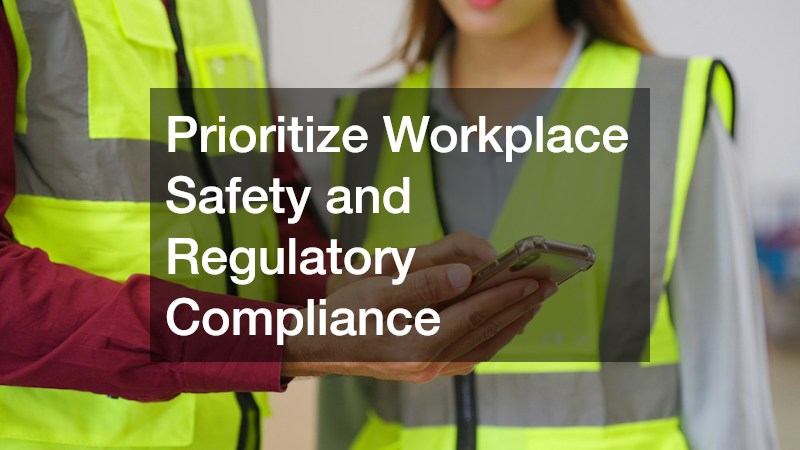
Prioritize Workplace Safety and Regulatory Compliance
A commercial property should provide a safe environment for employees, customers, vendors, and visitors. Business owners have a responsibility to identify potential hazards and take reasonable steps to prevent accidents. Depending on the property’s purpose, safety considerations may include fire protection, emergency exits, proper lighting, secure entrances, equipment storage, and accessible walkways.
Regular safety inspections can reveal problems before they lead to injuries or costly interruptions. For example, loose flooring, exposed wiring, damaged stairways, and poorly maintained parking areas can create unnecessary risks. Clear emergency procedures and appropriate safety signage also help employees respond to unexpected situations.
Workplace safety extends beyond the physical condition of the building. Business owners should understand their obligations regarding employee protection, workplace policies, and insurance. If a workplace injury occurs, consulting a workers compensation lawyer may help clarify legal responsibilities, employee rights, and the appropriate steps for handling a claim.
Compliance requirements can vary based on the property’s location, industry, occupancy, and activities. Building codes, fire regulations, environmental standards, and accessibility requirements may all influence property management decisions. Keeping documentation current and working with qualified professionals can help businesses avoid preventable compliance issues.
Maintain Clean and Functional Interior Spaces
The appearance and cleanliness of a commercial property influence how employees, clients, and customers experience the business. A clean, organized workplace can support productivity, improve comfort, and create a positive impression during meetings or customer visits.
Cleaning responsibilities should be divided according to the property’s layout and daily usage. High-traffic areas, shared workspaces, kitchens, entrances, and restrooms generally need more frequent attention than storage rooms or rarely used offices. Business owners should also establish procedures for handling waste, restocking supplies, and addressing spills or other immediate cleaning needs.
Restrooms deserve particular consideration because they experience frequent use and require consistent sanitation. Partnering with a commercial restroom cleaning service can help businesses maintain hygienic facilities, manage cleaning schedules, and ensure that frequently touched surfaces receive appropriate attention.
Indoor air quality is another important consideration. Dust accumulation, inadequate ventilation, and poorly maintained air conditioning systems can affect indoor comfort. Replacing air filters regularly, keeping ventilation systems clean, and addressing moisture problems can contribute to a healthier indoor environment.
A well-maintained interior is not simply about appearances. It helps establish consistent operating standards and makes commercial spaces more comfortable and practical for everyday use.
Inspect and Maintain the Building’s Exterior
The exterior of a commercial property plays a significant role in protecting the building and maintaining its appearance. Parking lots, sidewalks, landscaping, drainage systems, exterior walls, windows, and roofing materials are all exposed to weather and regular use.
Business owners should schedule exterior inspections throughout the year, paying special attention to signs of deterioration. Cracked pavement, damaged siding, clogged gutters, loose masonry, and standing water can indicate problems that may worsen if left unresolved.
When exterior walls require repairs or improvements, working with experienced local masonry companies can help ensure that the appropriate materials and techniques are used. Masonry work may involve repairing brickwork, restoring mortar joints, addressing damaged stone, or improving structural components.
Roofing is another critical part of exterior maintenance. Leaks, missing shingles, damaged flashing, and deteriorating roof membranes can expose the building to water damage and affect interior systems. A qualified commercial roofing contractor can inspect the roof, recommend suitable repairs, and help business owners determine when a replacement may be necessary.
Property owners should also evaluate landscaping and drainage. Overgrown vegetation can obstruct walkways, interfere with visibility, and contribute to maintenance problems. Proper grading and drainage help direct rainwater away from foundations, reducing the risk of water intrusion and soil-related damage.
Improve Energy Efficiency and Utility Management
Utilities are a recurring operating expense, and inefficient building systems can increase costs unnecessarily. Energy management is therefore an important part of maintaining a commercial property.
Heating, ventilation, and air conditioning systems often account for a substantial share of a building’s energy consumption. Business owners can improve efficiency by scheduling routine equipment maintenance, using programmable thermostats, sealing air leaks, and replacing outdated systems when appropriate.
Lighting upgrades can also make a difference. Energy-efficient lighting, occupancy sensors, and daylight-responsive controls can reduce electricity use in offices, warehouses, and other commercial spaces. In buildings with large windows, adjusting lighting schedules to take advantage of natural daylight may further reduce unnecessary consumption.
Water management deserves similar attention. Leaking fixtures, inefficient plumbing equipment, and excessive water use can raise utility bills. Businesses that depend on water-intensive processes may benefit from a commercial water treatment service job assessment to identify treatment requirements, improve water quality, and evaluate opportunities for more efficient system operation.
Tracking utility bills over time can reveal unusual increases that may indicate equipment malfunctions or hidden leaks. Reviewing this information regularly helps property owners identify inefficiencies and prioritize improvements based on measurable operating costs.
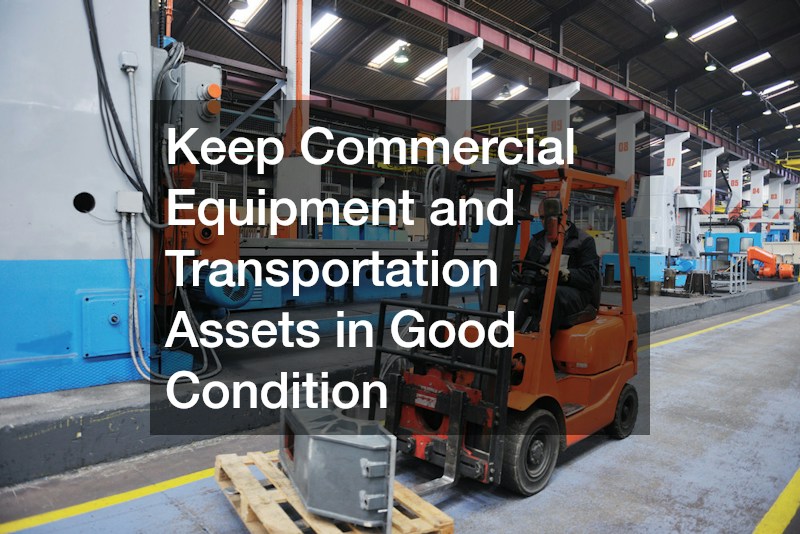
Keep Commercial Equipment and Transportation Assets in Good Condition
For businesses that rely on vehicles, machinery, or specialized equipment, property management extends beyond the building itself. Equipment storage, maintenance areas, access routes, and parking facilities all contribute to operational efficiency.
Warehouses and industrial properties may need designated areas for vehicle inspections, equipment repairs, and parts storage. Keeping these spaces organized can reduce delays, improve safety, and make it easier for employees to locate essential tools and supplies.
Transportation-related businesses should also consider the condition and availability of their vehicle components. For example, a used APU for semi trucks may be an option for fleet operators seeking auxiliary power solutions while managing equipment costs. Before purchasing used equipment, businesses should assess its condition, compatibility, maintenance history, and expected operating life.
Property managers should also ensure that parking areas and loading zones accommodate the vehicles and equipment used by the business. Clear traffic patterns, sufficient turning space, adequate lighting, and appropriate pavement conditions can improve safety and reduce unnecessary wear on vehicles.
When equipment and property systems are managed together, businesses can create more efficient workflows and avoid disruptions caused by preventable maintenance issues.
Plan for Structural Repairs and Property Improvements
Commercial buildings require periodic improvements to remain functional and accommodate changing business needs. Renovations may involve updating office layouts, expanding storage areas, modernizing restrooms, improving accessibility, or replacing outdated infrastructure.
Before starting a renovation, business owners should assess the property’s existing condition and identify the improvements that offer the greatest practical value. Structural concerns should receive priority over cosmetic upgrades, particularly when they affect safety, building stability, or the performance of essential systems.
Uneven sidewalks, damaged concrete floors, and settling surfaces can create accessibility problems and potential trip hazards. A concrete leveling service may help correct certain uneven concrete surfaces without requiring complete replacement. The appropriate solution depends on the cause and extent of the damage, so a professional assessment is useful before work begins.
Larger projects may involve removing outdated structures, clearing unused areas, or preparing a property for a new purpose. In these situations, commercial demolition requires careful planning, including permits, safety precautions, utility disconnections, waste management, and coordination with other contractors.
Business owners should establish realistic project timelines and account for possible interruptions to daily operations. If renovations affect employees or customers, temporary access arrangements or adjusted operating hours may be necessary.
A structured improvement plan helps prevent projects from becoming unnecessarily expensive or disruptive while ensuring that investments support the property’s long-term functionality.
Understand the Importance of Property Management and Professional Support
Managing a commercial property involves numerous responsibilities, and business owners may not have the time or specialized knowledge to oversee every task independently. Professional property managers, maintenance technicians, engineers, and contractors can provide expertise that supports better decision-making.
The right professional support depends on the property’s size, complexity, and intended use. A small office may require occasional maintenance assistance and a reliable cleaning provider, while a large industrial facility may need ongoing oversight of mechanical systems, safety procedures, equipment, and multiple service contracts.
Effective communication is essential when working with outside professionals. Business owners should establish clear expectations regarding service schedules, response times, costs, reporting procedures, and project responsibilities. Written agreements can reduce misunderstandings and make it easier to evaluate service quality.
Learning from the experiences of business leaders can also provide useful perspectives on property decisions. For example, Robert Granieri (an entrepreneur) represents the kind of business-oriented perspective that can be explored when considering the relationship between entrepreneurship, operational decisions, and long-term business development.
Ultimately, property management should be treated as an ongoing business function rather than a collection of unrelated maintenance tasks. Coordinating professional services, keeping accurate records, and reviewing performance regularly can help owners maintain better control over their facilities.
Evaluate Property Value and Future Business Opportunities
Commercial property decisions should account for both current operational requirements and future business plans. A property that meets today’s needs may become unsuitable as a company expands, changes its services, or adopts new equipment and technologies.
Business owners should periodically review their available space, operating expenses, location, accessibility, and potential for expansion. This review can help determine whether maintaining an existing property, renovating it, leasing additional space, or relocating would better support the business.
For companies considering expansion, researching industrial property for sale can provide insight into available facilities, property prices, zoning restrictions, transportation access, and infrastructure requirements. Warehouses, manufacturing facilities, and distribution centers have different space and utility needs, so evaluating properties against specific operational requirements is essential.
Owners should also consider how market conditions could affect property values and future expenses. Changes in local development, transportation infrastructure, nearby businesses, and demand for commercial space may influence the long-term financial outlook.
A property’s value is not determined solely by its purchase price or square footage. Its condition, maintenance history, operating costs, adaptability, and suitability for business activities all contribute to its practical and financial usefulness.
By reviewing these factors regularly, business owners can make more informed decisions about whether their current property remains a good fit for their objectives.
Create a Long-Term Property Management Strategy
Effective property management requires a long-term perspective. Instead of responding to problems as they arise, business owners can benefit from establishing a strategy that connects daily maintenance with larger financial and operational goals.
A long-term plan should include scheduled inspections, equipment replacement forecasts, maintenance budgets, safety reviews, and potential renovation projects. It should also account for changing business requirements, such as increased staffing, new technology, or changes in how customers and employees use the property.
Digital property management tools can simplify many of these responsibilities. Maintenance tracking software, digital inspection forms, automated reminders, and centralized documentation systems make it easier to monitor tasks and maintain consistent records. These tools are particularly helpful for companies overseeing multiple locations or coordinating several service providers.
Business owners should also review their property management strategy periodically. Comparing planned expenses with actual spending, evaluating recurring maintenance problems, and identifying opportunities to improve efficiency can reveal where adjustments are needed.
Flexibility is equally important. Unexpected repairs, changes in regulations, severe weather, and shifts in business activity may require updates to existing plans. Maintaining financial reserves and building relationships with reliable service providers can help businesses respond more effectively when circumstances change.
Managing commercial property is a continuous process that affects a business’s financial stability, workplace conditions, operational efficiency, and long-term growth. From preventive maintenance and safety compliance to utility management, renovations, and future property investments, every decision contributes to how effectively a facility supports business activities.
A proactive approach helps business owners identify problems early, control operating costs, and maintain spaces that meet the needs of employees, customers, and daily operations. With careful planning, consistent inspections, and the right professional support, commercial property management can become a valuable part of a broader business strategy rather than an ongoing source of unexpected challenges.